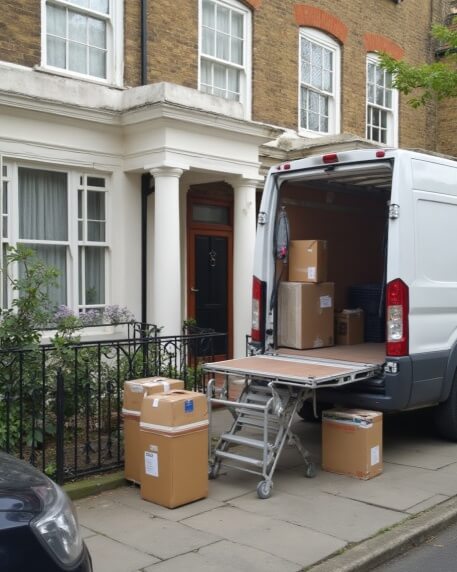
Moving home in London is rarely straightforward. It’s not just about getting your belongings from one place to another — it often involves narrow staircases, restricted parking, and tight schedules, especially in rental properties. This guide is for anyone planning a move in London and wants to avoid the common delays that turn a simple move into a long day.
In most cases, the move itself isn’t the problem. Delays usually come from small details that are overlooked early on — access, timing, and preparation.
Why Moving in London Takes Longer Than Expected
London properties bring a different set of challenges compared to other areas. Even short-distance moves can take longer because of how buildings and streets are laid out.
In many flats, especially older ones, there’s no lift access. Everything has to be carried up or down stairs, sometimes across multiple floors. Add to that narrow hallways and tight corners, and even standard furniture can become difficult to move.
Parking is another factor people often underestimate. You might assume a van can stop outside the property, but in many areas, that simply isn’t possible without prior arrangement.
This is where a properly planned removals service makes a difference — especially when the team is used to working around London’s access limitations.
Where Most Moving Day Delays Come From
One of the most common issues is leaving things until the last minute. Packing, for example, is often rushed the night before. Items end up loosely packed, boxes are overfilled, and fragile belongings aren’t protected properly.
For many households, using a professional packing service helps avoid this. With proper materials like double-walled boxes, bubble wrap, and protective covers, items are packed in a way that makes loading faster and safer.
Another frequent situation involves furniture that doesn’t fit through doors or staircases. This is especially common in London flats, where items may have originally been brought in during renovations or assembled inside the room.
In these cases, having a team that offers furniture dismantling and reassembly can save a lot of time on the day.
How a Smooth Move Actually Works
A well-organised move follows a clear process, even if it doesn’t appear obvious from the outside.
It usually starts with understanding the property. Whether it’s a flat, house, or office, access and layout determine how the move should be handled. This is why many people choose a house removals service rather than trying to manage everything themselves.
On the day itself, preparation makes a noticeable difference. Items are organised before loading begins, and fragile belongings are handled separately.
Loading the van is done in a structured way. Heavier items are placed first to stabilise the load, while delicate items are secured to prevent movement. This is standard practice in experienced man and van services, especially in busy London environments.
Transport is another stage where local knowledge matters. Navigating traffic, restricted streets, and peak hours is part of the job.
Once at the new property, unloading is done room by room, which makes unpacking easier and avoids unnecessary confusion.
How Long Does a Move Usually Take?
There isn’t a fixed answer, as timing depends more on access and preparation than the size of the property.
A small flat with good access may take a few hours, while a similar-sized property with stairs and limited parking could take significantly longer.
For larger properties, moves often take most of the day, especially if there’s a lot of furniture involved. In these cases, having the right team and vehicle size is essential to avoid delays.
Situations That Need Extra Planning
Some types of moves come with added pressure and require more than just transport.
End of tenancy moves are a common example. These often involve strict deadlines, where tenants need to vacate the property quickly. In these situations, combining a move with an end of tenancy removals service can help keep everything on schedule.
Office relocations are another scenario where planning is critical. Moving desks, equipment, and documents requires careful handling to avoid disruption. A structured office removals service ensures everything is moved and set up properly.
There are also times when people can’t move directly into their new property. In these cases, using a storage service allows belongings to be kept safe until the new place is ready.
Practical Ways to Avoid Delays
The simplest way to avoid delays is proper preparation.
Packing early makes everything easier on the day. When items are packed securely using appropriate materials, they’re quicker to load and less likely to cause issues.
Clear labelling helps with organisation, especially when unloading into a new property. It allows items to be placed correctly without needing to move them again later.
Keeping essential items separate also avoids unnecessary stress. Having quick access to important belongings means you don’t have to search through boxes after a long day.
If possible, dismantling furniture in advance can reduce time spent on the day. This is particularly useful in smaller properties where space is limited.
Finally, checking building requirements in advance prevents delays. Some London buildings require lift bookings or have time restrictions, which need to be arranged beforehand.
What a Removal Service Can Realistically Handle
A professional service focuses on the practical side of moving — lifting, transport, and safe handling of items.
Services like those offered by Strong Move typically include:
- Safe loading and unloading
- Transport across London
- Handling of bulky or heavy items
- Basic furniture dismantling and reassembly
However, it’s important to be aware that services like packing, cleaning, or waste removal may need to be arranged separately.
Also, while care is taken with all items, existing wear or damage can’t be reversed. The focus is on preventing further issues during the move.
A Common London Moving Scenario
A situation that comes up quite often involves a flat on the second or third floor, no lift, and limited parking nearby.
Even with a relatively small number of belongings, this type of move can take several hours simply because of the conditions. Carrying items up and down stairs, combined with distance from the vehicle, adds time to every stage of the process.
This is where experience matters. When these factors are accounted for in advance, the move runs much more smoothly.
Final Thoughts
Moving home in London without delays isn’t about rushing — it’s about preparation and understanding the environment you’re moving in.
Most delays come from access issues, poor planning, or underestimating the time required. When these are handled properly, even complex moves can be completed without unnecessary stress.
If you’re planning a move, taking the time to organise things properly — or using the right level of support — will make a noticeable difference on the day.

Yes, in many London areas you’ll need a permit or suspension to park a moving van nearby.
Most London moves take between 3 and 6 hours, depending on access and property type.
Yes, but in many London flats items may need to be dismantled due to tight spaces.
Common delays in London come from parking issues, stairs, and last-minute packing.