

Moving day doesn’t start when the van arrives — it starts days or even weeks earlier. In busy areas like London and across the M25, preparation is often the difference between a smooth, organised move and a stressful, rushed experience.
At Strong Move, we see the same pattern across hundreds of relocations: customers who prepare early always have faster, easier, and more controlled moving days. This guide breaks down exactly how to get your home ready so everything runs efficiently from start to finish.
Why Preparation Matters More Than People Think
Many people assume the removal team handles everything on the day — and while professional movers do manage the heavy lifting and transport, preparation at home still plays a huge role.
Without proper preparation, moving day can become:
- Slower than expected
- More expensive due to extra time
- More stressful due to disorganisation
- Riskier for fragile items
In contrast, a well-prepared home allows domestic removals in London to run smoothly, with clear access, faster loading, and safer handling.
Preparation doesn’t need to be complicated — it just needs to be structured.
Start Early: The 7–10 Day Preparation Window
The biggest mistake people make is leaving everything until the last 48 hours. A better approach is to start preparing at least a week in advance.
Begin by:
- Sorting items room by room
- Separating essentials from non-essentials
- Identifying fragile or high-value items
- Decluttering unnecessary belongings
This step alone can reduce the volume of items significantly. In London homes where space is limited, this can make a noticeable difference to how quickly everything is packed and moved.
It also helps you mentally organise the move, rather than feeling overwhelmed on the final day.
Decluttering: The Step That Saves Time and Money
Moving is the perfect opportunity to reduce unnecessary belongings. Over time, most homes accumulate items that are no longer needed.
Common examples include:
- Unused furniture
- Old electronics
- Clothes that haven’t been worn in years
- Duplicate household items
The less you move, the easier everything becomes. It reduces packing time, lowers transport load, and makes unpacking at the new property much simpler.
Many customers also combine this step with house clearance services, especially when downsizing or relocating after long-term tenancy.
Packing Smart Instead of Packing Fast
Packing is where most problems begin — but it’s also where most stress can be avoided.
A structured packing approach works best:
Heavy items in small boxes
Books, kitchenware, and dense items should always go in smaller boxes to avoid breakage and strain.
Light items in larger boxes
Soft items like bedding, towels, and clothing can fill larger boxes without risk.
Clear labelling system
Each box should clearly show:
- Room name
- Content type
- Fragility level
This makes unloading much faster during removals in London, especially in multi-room homes.
Fragile items should always be wrapped properly using protective materials. Glassware, electronics, and ornaments need extra care to survive transport and handling.
Preparing Furniture for Safe Transport
Large furniture is often the most challenging part of any move.
Items like:
- Beds
- Wardrobes
- Sofas
- Dining tables
…may need partial dismantling before moving day.
This is especially common in London properties where staircases are narrow or hallways are tight.
Taking furniture apart in advance helps:
- Prevent damage
- Speed up loading
- Reduce physical strain
- Improve safety during transport
At Strong Move, we also provide furniture assembly and disassembly support, which ensures everything is rebuilt correctly at the destination.
Access Preparation: The Step Most People Forget
One of the most overlooked parts of moving preparation is access.
Before moving day, it’s important to check:
- Parking availability outside the property
- Lift access (if applicable)
- Stairwell width and turning space
- Loading restrictions in the area
In many London and M25 locations, parking permits or timed access may be required. Without this, loading can take longer than expected.
Clear access = faster move.
Essentials Box: Your First Day Survival Kit
One simple but powerful tip is to prepare an essentials box.
This should include:
- Chargers and electronics
- Toiletries
- Basic kitchen items
- Important documents
- Change of clothes
This box should travel with you, not in the removal van. It ensures your first night in the new home is comfortable, even if everything else is still packed.
How Professional Support Makes Preparation Easier
Even with good preparation, moving is still a big task. This is where professional support makes a major difference.
Using experienced removals services in London helps with:
- Efficient loading and unloading
- Safe handling of furniture
- Time management on moving day
- Reduced physical stress
- Better organisation overall
It also means you can focus more on settling in rather than managing logistics.
Moving Day: What Happens When You Prepare Properly
When preparation is done correctly, moving day becomes much more predictable.
Instead of delays and confusion, the process flows:
- Items are already packed
- Furniture is ready to move
- Access is clear
- Boxes are labelled correctly
This allows the removal team to work quickly and safely, completing the job in significantly less time.
Final Thoughts
A successful move is rarely about luck — it’s about preparation.
The more organised you are before moving day, the smoother everything becomes. From decluttering and packing to planning access and preparing furniture, each step plays a role in reducing stress and saving time.
Whether you’re moving within London, relocating across the M25, or planning a larger move, preparation is the foundation of a successful relocation.
At Strong Move, we see every day how good preparation transforms the entire experience — turning what could be a stressful day into a structured, manageable process.
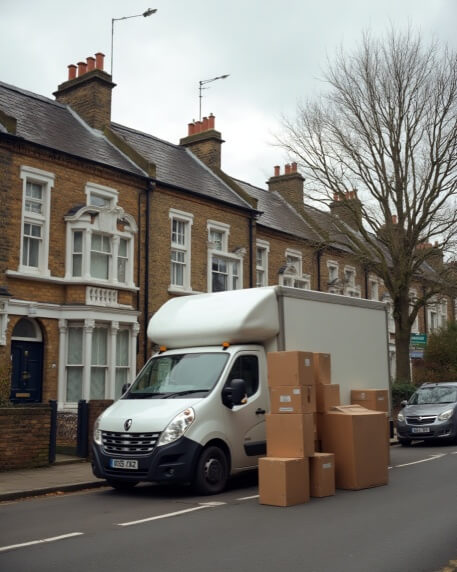
For London removals, it’s best to start preparing at least 7–10 days before moving day to avoid last-minute stress.
Not always — but in many London removals, larger furniture may need partial dismantling for safe transport.
Yes, parking is very important for London removals, especially in restricted or permit-only areas.
Essentials like chargers, documents, and toiletries are often missed in London removals preparation.


