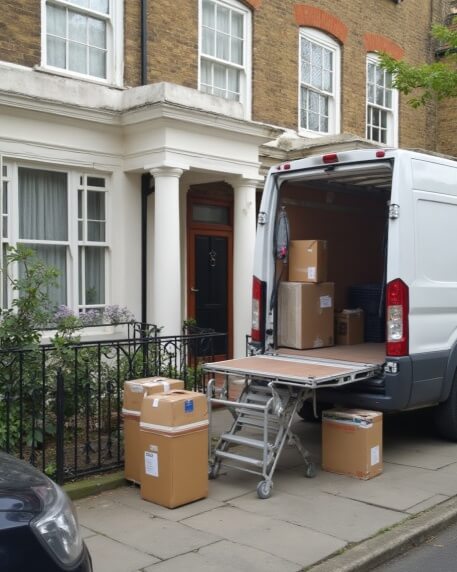
Moving house is exciting, but it can also become stressful when everything seems to happen at once. Packing every room, arranging transport, changing your address, and making sure nothing is left behind can quickly turn into a long list of jobs. The good news is that a successful move is rarely about luck—it is usually the result of good preparation.
Whether you're relocating from a flat in Central London, a family home in the suburbs, or moving to another part of the M25, taking a structured approach can make the entire experience much more manageable. At Strong Move, we work with people moving for many different reasons, and one thing remains consistent: the smoother moves are always the ones that begin with a clear plan.
Start Planning Earlier Than You Think
One of the biggest mistakes people make is assuming they have plenty of time. Packing often takes much longer than expected, particularly if you've lived in the same property for several years. Cupboards, lofts, garages, and spare rooms usually contain far more belongings than people realise.
Instead of waiting until the final weekend, begin preparing several weeks before your moving date. Packing a few boxes each day feels far less overwhelming than trying to complete an entire house in one go. It also gives you time to decide what is worth taking with you and what no longer serves a purpose.
In many London homes, especially flats where storage space is limited, decluttering before the move can significantly reduce both the amount of packing required and the time spent unpacking afterwards.
Think About Access Before Moving Day
Every property is different. Some have private driveways with plenty of loading space, while others are located on busy streets with restricted parking or multiple flights of stairs.
These practical details often have a greater impact on moving day than people expect. Older London buildings frequently have narrow hallways or small lifts that make transporting large furniture more complicated. Planning ahead allows enough time to decide whether certain items should be dismantled before the move.
This is one reason why Furniture Assembly is often requested alongside Domestic Removals. Larger furniture such as wardrobes, dining tables, and beds can usually be taken apart safely, making transportation much easier before being rebuilt in the new property.
Pack With a Purpose
Packing is about much more than filling boxes. A well-packed home is easier to unload, organise, and settle into.
Keeping similar items together makes unpacking considerably faster. Kitchen equipment, bathroom supplies, books, and clothing should each have their own clearly labelled boxes. Writing the destination room on every box also saves time once everything arrives.
Fragile belongings deserve additional attention. Glassware, mirrors, ornaments, and electronics benefit from proper protective materials to minimise movement during transport. Even simple household items such as towels or blankets can provide useful cushioning when packed correctly.
Many customers also choose Packing Services when time is limited or when valuable belongings require professional handling before moving day.
Don't Take Everything With You
Moving home is an excellent opportunity to reassess what you actually need.
It is common to discover furniture that no longer fits your new property or household items that have not been used for years. Taking everything simply because it already belongs to you often results in unnecessary transport costs and more unpacking later.
Removing unwanted belongings before moving creates a fresh start in your new home. Some items may be suitable for donation, while others can be recycled or responsibly disposed of through Rubbish Removal if they have reached the end of their useful life.
Smaller Moves Need Planning Too
Not every relocation involves an entire family home. Many people only need to transport a few pieces of furniture, move into student accommodation, or relocate from one rented flat to another.
In these situations, a Man and Van option can often provide the flexibility needed without arranging a full-scale removal. Likewise, Student Removals are particularly useful during university term changes, where the number of belongings may be smaller but still require careful transport.
Choosing the right moving option ensures that you're only paying for the level of support you actually need.
Business Moves Require a Different Approach
Moving a workplace presents different challenges from moving a home. Office furniture, IT equipment, confidential documents, and employee workstations all need careful organisation to minimise disruption.
Well-planned Commercial Removals often take place outside normal business hours where possible, helping companies continue operating with minimal downtime. For businesses renovating their premises or waiting for new offices to become available, Commercial Storage can also provide a practical temporary solution.
Allow for the Unexpected
Even with careful planning, moving day rarely follows a perfect timetable. London traffic, delayed key collections, or limited parking can all affect progress throughout the day.
Building extra time into your schedule helps reduce unnecessary pressure if unexpected delays occur. Rather than arranging several appointments immediately after your move, leaving a little flexibility allows the day to unfold more naturally.
Having essential items such as medication, important documents, phone chargers, and basic toiletries easily accessible also makes the first evening in your new home much more comfortable.
Moving Beyond the UK
Some relocations extend much further than London. Whether you're moving for work, family, or a lifestyle change, European Removals require additional preparation, documentation, and planning compared with domestic moves.
Organising belongings carefully before a long-distance journey becomes even more important, particularly when transport times are longer and items may travel across several countries before reaching their destination.
Settling Into Your New Property
Once everything has arrived safely, there is no need to unpack every box immediately. Focusing on the most important rooms first, such as the kitchen and bedrooms, allows your new home to become functional much sooner.
Take the opportunity to position furniture carefully before fully unpacking. It is much easier to make layout changes while rooms are still relatively empty.
Moving home marks the beginning of a new chapter, and taking a steady, organised approach helps make that transition far more enjoyable.
Final Thoughts
A successful move is rarely about speed. It is about preparation, realistic planning, and choosing the right support for your circumstances. Whether you are moving from a studio flat, a large family house, or a commercial property, staying organised from the beginning helps avoid unnecessary stress later.
At Strong Move, we assist customers across London and the M25 with Domestic Removals, Commercial Removals, Man and Van, Student Removals, Packing Services, Furniture Assembly, Commercial Storage, European Removals, and a range of other moving solutions designed to make every relocation as straightforward as possible.

For most London moves, booking two to four weeks in advance is recommended. This provides enough time to organise packing, confirm parking arrangements, and secure your preferred moving date, particularly during busy weekends and the end of the month.
Yes. Many London flats have stair-only access or limited lift capacity. Our team plans these moves carefully, using the safest handling methods to transport furniture and boxes without unnecessary disruption.
In many cases, yes. A Man and Van service is often ideal for smaller London moves where only a limited number of boxes, furniture, or personal belongings need transporting.
Absolutely. If your new property isn't ready straight away, we can transport your belongings to Commercial Storage before arranging delivery when you're ready to move in.