

Moving home in London tends to look simple on paper, but the reality is usually more involved once you’re actually standing in the property surrounded by boxes, furniture, and limited time. A typical flat move in the city can involve tight stairwells, parking restrictions, and a long list of items that need careful handling before anything even reaches the van.
This is where organised Domestic Removals and proper Furniture Assembly planning become essential. At Strong Move, most jobs we carry out across London follow a similar pattern: the success of the day is decided long before the van arrives.
The aim here is to break down what actually happens in a real London house move so you can understand how it works in practice, not just in theory.
What a London house move really involves
In London, no two properties are quite the same. One job might be a third-floor walk-up flat in an older conversion, the next a terraced house with a narrow hallway and limited street access. These differences change everything about how the move is handled.
A common issue is underestimating access. Even if the distance between properties is short, loading and unloading can take significantly longer due to stairs, shared entrances, or waiting for lift access. In some apartment blocks, lifts are small and not suitable for large furniture, which means everything has to be carried manually.
Another factor is timing. Traffic across London can turn a short journey into a longer operational window than expected, especially when moving between boroughs during busy hours.
Most Domestic Removals in London are not difficult because of distance — they are complex because of environment.
Planning the move properly before anything is packed
The planning stage is where most problems are either prevented or created.
Before any packing starts, it helps to walk through the property and realistically assess what is being moved. People often underestimate how many items they own until everything is grouped together. This is especially true in rented flats where storage spaces like lofts, cupboards, and under-bed areas tend to accumulate more than expected.
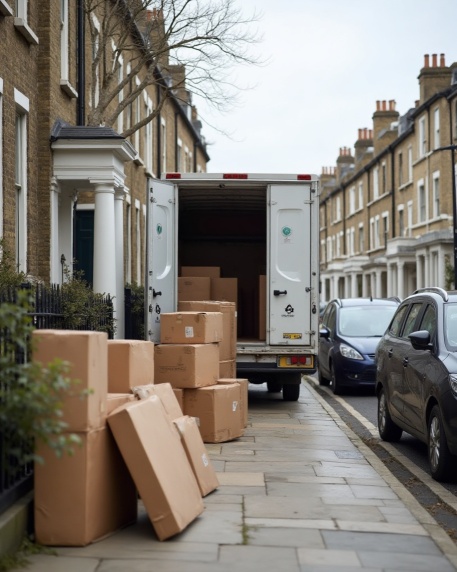
Parking is another major factor in London. Without a clear plan for vehicle access, loading can be delayed or disrupted. In busy residential streets, even finding a temporary stopping space can affect the entire schedule.
A proper Domestic Removals plan usually considers:
- Property access and stair layout
- Estimated loading time based on real conditions
- Parking or permit requirements
- Any large or dismantled furniture that needs extra handling
When these details are understood early, the move becomes far easier to manage on the day.
Packing: where most moving problems begin
Packing is often rushed, but it has one of the biggest impacts on how smoothly the move goes.
In many London homes, items are packed late the night before or even on the morning of the move. This leads to uneven boxes, poor labelling, and fragile items mixed with heavier belongings.
A more practical approach is to separate packing into stages. Everyday items are packed first, leaving essentials for last. Kitchenware, glass items, and electronics need extra protection using proper materials such as bubble wrap, reinforced boxes, and padding.
We often see damage in Domestic Removals caused not by transport, but by poor internal packing. When items move inside boxes during lifting, they are far more likely to break.
A structured packing approach usually includes:
- Heavier items placed in smaller boxes for safe lifting
- Fragile items individually wrapped and clearly labelled
- Clothing and soft items used as padding where appropriate
- Clear separation of essentials for immediate access at the new property
This doesn’t just protect belongings — it also speeds up unloading and unpacking later.
Furniture Assembly and why it matters in London moves
Furniture Assembly plays a much bigger role in London moves than many people expect.
Large furniture such as beds, wardrobes, and dining tables often cannot pass through stairwells or narrow hallways in one piece. This is especially common in older London buildings where access was never designed for modern furniture sizes.
In these cases, careful dismantling is necessary before moving day or during the early stages of the move. Each piece needs to be labelled properly so it can be rebuilt without confusion later.
Typical Furniture Assembly work during a move includes:
- Disassembling large items for safe transport
- Keeping fittings and screws organised and matched to each item
- Rebuilding furniture at the new property after delivery
- Adjusting alignment for uneven floors or tight room layouts
We often see situations where beds or wardrobes have been forced through tight spaces in the past, leading to damage. Proper disassembly avoids this and makes reassembly safer and more stable.
How the moving process actually runs on the day
A well-organised London move follows a clear but flexible sequence.
It usually begins with a quick walkthrough of the property. This confirms what is being moved and highlights anything that may need extra attention, such as fragile items or bulky furniture.
Once this is done, protective materials are placed where needed — door frames, corners, and stair edges are common contact points in narrow properties. This reduces the risk of accidental marking during movement.
The loading stage is then carefully managed. Heavier items are loaded first and secured, while fragile boxes are positioned to avoid pressure or movement during transport.
At the new property, the unloading process is reversed. Items are placed in the correct rooms rather than dropped in one location, which makes unpacking much easier.
Furniture Assembly is carried out once major items are in place, followed by final adjustments and checks.
Common issues during London Domestic Removals
Even with good planning, there are challenges that regularly appear in London moves.
Parking restrictions are one of the most common. Even when arrangements are made, spaces can still be blocked or difficult to access on arrival.
Weather also plays a role. Rain can slow down loading times and make handling furniture more difficult, particularly on external staircases or pavement access points.
Older properties often bring unexpected challenges such as uneven flooring, tight bends in staircases, or doors that are narrower than expected.
In some apartment blocks, lift access may be limited or unavailable at certain times, which affects timing and handling.
These issues are normal in London environments. The key is adapting the process rather than expecting a perfect setup.
Honest expectations: what a moving service cannot control
Even with careful handling, there are limitations to what can be guaranteed during Domestic Removals and Furniture Assembly.
Existing damage on furniture cannot be reversed. While care is taken to avoid further issues, older or weakened items may still be vulnerable during movement or reassembly.
Some large items may not fit through access points even after dismantling. In these cases, alternative arrangements may be needed rather than forcing movement.
Timing can also shift during the day depending on access delays, traffic, or building restrictions. This is particularly common in central London areas.
Understanding these limitations helps set realistic expectations and avoids unnecessary frustration during the move.
After the move is complete
Once everything is delivered and set up, the final stage is usually about settling the space. Furniture may need slight repositioning, fittings may need tightening, and rooms often get adjusted once people see how they actually want to use them.
A properly managed Domestic Removals service with Furniture Assembly support reduces this workload significantly, because most of the structural setup is already complete.
Instead of spending days rebuilding and rearranging, the home becomes functional much sooner, which is especially important when moving in London’s fast-paced environment.
At Strong Move, the focus is always on making the process feel controlled and practical, even when the conditions around the move are anything but simple.
In most London areas, it’s better to book a few days in advance rather than leaving it last minute. Weekends and month-end dates fill up quickly, especially in flats where access is more restricted. We often see people underestimate how busy moving days can get in the city, particularly around central and south-east London.
This is quite common in busy London streets. If parking is further away, the loading process simply takes longer. Items are still moved safely, but extra time may be needed for carrying distances. In some areas like terraced streets or controlled parking zones, we plan for this in advance where possible.
In most London areas, it’s better to book a few days in advance rather than leaving it last minute. Weekends and month-end dates fill up quickly, especially in flats where access is more restricted. We often see people underestimate how busy moving days can get in the city, particularly around central and south-east London.


