

Moving home can feel overwhelming, but careful planning makes the entire process far easier. Whether you are relocating across your borough or moving to a different part of the capital, having a clear checklist helps you stay organised from start to finish. Choosing experienced house removals in London also reduces unnecessary stress and keeps everything on schedule. This guide walks you through every stage of the moving process so you can enjoy a smoother transition into your new home.
- Create a realistic moving timeline well in advance.
- Declutter your home before you start packing.
- Organise important documents and update your address.
- Book a trusted professional removals company early.
Moving home involves much more than placing boxes into a van. Every successful relocation begins with good preparation and a realistic plan.
By breaking the process into smaller tasks, you can avoid last-minute problems and keep everything under control. Whether you are moving from a flat, terraced house or larger family property, planning ahead makes a significant difference.
Working with an experienced company such as Strong Move gives you access to professional support, flexible moving solutions and reliable services across London and the M25.
Start Planning Your Move Early
One of the biggest mistakes homeowners make is leaving everything until the final week. As soon as you know your moving date, create a checklist with deadlines for every task.
Your moving plan should include:
- Booking your removal company.
- Ordering packing materials.
- Informing utility providers.
- Arranging time away from work if required.
- Notifying schools if your children are moving.
- Updating subscriptions and important accounts.
Completing smaller tasks each week prevents the pressure from building closer to moving day.
Declutter Before You Pack
There is little point paying to move items you no longer use. Before packing begins, go through every room and separate belongings into four groups:
- Keep
- Donate
- Sell
- Recycle
Wardrobes, lofts, garages and cupboards often contain items that have not been used for years. Removing unnecessary belongings reduces the number of boxes required and helps you settle into your new home more quickly.
If unwanted furniture or household waste remains after sorting, arranging a house clearance service can save valuable time.
Book Your Removal Company As Soon As Possible
Reliable house removals London companies become busy, particularly during weekends, school holidays and the summer months.
Booking early gives you:
- Better availability.
- More flexibility with dates.
- Time to discuss access requirements.
- A clearer moving schedule.
Professional movers also help identify anything that requires specialist handling, such as pianos, antiques or oversized furniture.
Gather Packing Materials
Running out of boxes halfway through packing creates unnecessary delays.
Prepare a supply of:
- Strong cardboard boxes.
- Packing tape.
- Bubble wrap.
- Packing paper.
- Furniture covers.
- Labels and marker pens.
Many customers choose packing services because professional packing protects fragile belongings and saves considerable time before moving day.
Clearly label every box with its destination room and a brief description of the contents. This makes unpacking much quicker once you arrive.
Pack One Room At A Time
Trying to pack the entire house at once often leads to confusion.
Instead, work through each room individually, starting with areas you use least.
Seasonal clothing, spare bedrooms, loft spaces and decorative items can usually be packed first. Everyday essentials should remain accessible until the final day.
Keep important paperwork, passports, medication, chargers and valuables in a separate bag that stays with you during the move.
Consider Temporary Storage
Sometimes moving dates do not line up perfectly. If your new property is not immediately available, storage services can provide a practical solution.
Secure storage is also useful when:
- Downsizing.
- Renovating your new property.
- Waiting for furniture deliveries.
- Decluttering before selling your home.
Choosing flexible storage gives you extra breathing space without rushing important decisions.
Prepare Large Furniture
Before moving day arrives, dismantle furniture where possible.
Beds, wardrobes, dining tables and shelving units are much easier to transport once disassembled.
Keep screws, bolts and fittings inside labelled bags and tape them securely to the corresponding furniture. If you would rather avoid this task, many removal companies also offer furniture assembly as part of their moving service.
Prepare For Moving Day
The final 24 hours before your move are often the busiest. Having everything ready in advance helps the day run much more smoothly.
Before the removal team arrives:
- Defrost and clean your fridge and freezer.
- Empty bins and dispose of any remaining rubbish.
- Charge your phone fully.
- Pack a small essentials box.
- Double-check cupboards, loft spaces and outdoor storage areas.
Your essentials box should include items you may need immediately after arriving at your new property, such as toiletries, snacks, tea and coffee, cleaning supplies, phone chargers and basic kitchen items.
Keep Children And Pets Comfortable
Moving day can be stressful for children and pets because their normal routine is disrupted.
If possible, arrange for family members or friends to look after them during the busiest part of the move. This allows the removal team to work safely and gives you more freedom to focus on the relocation.
If this is not possible, prepare a dedicated bag containing food, drinks, toys, comfort items and anything else they may need throughout the day.
Update Your Address
One of the most commonly forgotten tasks when moving house is updating contact information.
Make a list of organisations that need your new address, including:
- Banks and building societies.
- Insurance providers.
- Utility companies.
- GP surgeries.
- Employers.
- DVLA.
- Electoral register.
- Mobile phone providers.
- Subscription services.
Completing these updates early helps prevent missed correspondence and unnecessary complications after your move.
Take Meter Readings
Before leaving your old property, record readings for:
- Gas.
- Electricity.
- Water.
Taking photographs of the meters provides additional evidence if required later.
You should also record the readings at your new home as soon as you arrive. This ensures you are only charged for the utilities you use.
Carry Out A Final Walk-Through
Before handing over the keys, perform a final inspection of the property.
Check:
- Built-in cupboards.
- Loft spaces.
- Garden sheds.
- Utility rooms.
- Garages.
- Under stairs storage.
Many homeowners discover forgotten items during this last check. Taking a few extra minutes can save the inconvenience of returning later.
If you are leaving a rented property, arranging end of tenancy cleaning can help ensure the home is left in excellent condition.
Settling Into Your New Home
Once the move is complete, there can be a temptation to unpack everything immediately. However, a more organised approach is usually more effective.
Prioritise:
- Bedrooms.
- Bathrooms.
- Kitchen essentials.
- Children's rooms.
- Living areas.
Focus on making the property comfortable and functional first. The remaining boxes can then be unpacked gradually over the following days.
Why Professional Removals Make A Difference
Many homeowners underestimate the amount of work involved in relocating.
Choosing experienced professional removals specialists offers several advantages:
- Safer handling of furniture and valuables.
- Faster loading and unloading.
- Reduced physical strain.
- Access to packing services.
- Optional storage services.
- Specialist moving solutions for large items.
Whether you require a full house move or a flexible man and van service, professional support can make the process significantly easier.
Final Thoughts
A successful house move starts long before moving day arrives. By creating a clear moving house checklist, organising tasks in advance and working with a trusted removal company, you can avoid many of the common challenges homeowners face.
From decluttering and packing to transportation and settling into your new property, every stage becomes more manageable with proper planning. For homeowners across London and the M25, taking a structured approach helps transform a potentially stressful relocation into a smooth and positive experience.
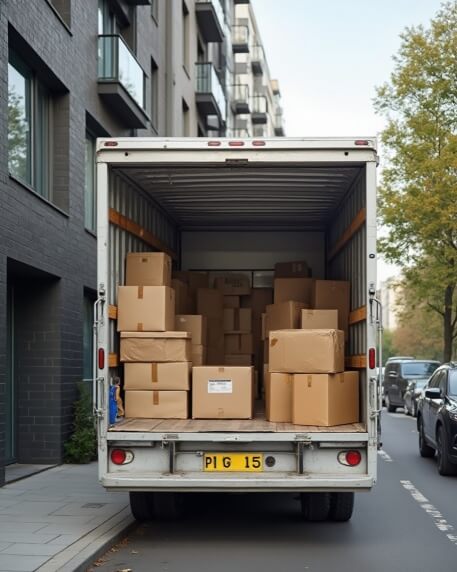
It is advisable to book your house removals in London at least four to six weeks before your preferred moving date, particularly during busy periods.
Yes. Professional packing services help protect fragile items, save time and reduce the risk of damage during transportation.
Yes. Secure storage services provide a practical solution when there is a gap between moving out and moving into your new property.


