
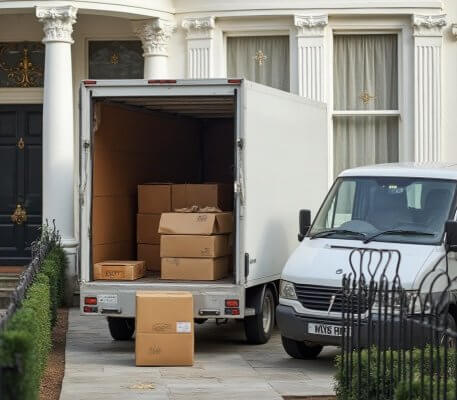
Moving home in London isn’t just about packing boxes and hiring a van. It usually involves tight staircases, limited parking, strict building rules, and busy streets that don’t give you much margin for error. This guide is for anyone preparing for a move—whether you’re leaving a rented flat, upgrading to a larger home, or relocating for work—and want things to run smoothly without last-minute stress.
In many London moves, the problems don’t come from the big tasks. They come from the small things that get overlooked—access issues, timing, or poor packing. Getting those right makes all the difference.
Why Moving in London Feels More Complicated
A house move in London often comes with constraints you don’t see elsewhere. Flats without lifts, controlled parking zones, and narrow hallways can slow everything down.
A common issue in older buildings is restricted access. You might only have a narrow staircase or a shared entrance, which affects how furniture is handled and how long the move takes. In rental properties, there’s also pressure to meet tenancy deadlines, especially when keys must be handed over the same day.
Because of this, timing and preparation matter more than anything else.
When You Should Start Preparing
Most people underestimate how early they should start. Ideally, planning should begin at least 2–3 weeks before moving day.
Here’s what typically needs early attention:
- Booking a removals service (especially at month-end)
- Arranging parking permits if required
- Sorting and decluttering belongings
- Gathering proper packing materials
In busy areas, last-minute bookings often lead to limited availability or rushed work. Planning ahead gives you more control over how the day runs.
The Real Packing Process (What Works in Practice)
Packing isn’t just about putting items into boxes—it directly affects how safe and efficient your move will be.
In many London flats, we see damage happen because items weren’t packed properly. Plates stacked without protection, loose items in boxes, or overfilled cartons can all lead to breakages.
A more practical approach includes:
- Using double-walled boxes for heavier items
- Wrapping fragile items with bubble wrap or packing paper
- Keeping boxes at a manageable weight (not over 20kg)
- Labelling clearly by room and contents
For soft furnishings, materials like protective covers and stretch wrap help keep everything clean during transport.
A common mistake is leaving packing until the night before. That usually leads to rushed decisions and disorganised boxes, which slows down unloading later.
Furniture Handling: Where Most Problems Happen
Large furniture is often the biggest challenge, especially in tight London properties.
Wardrobes, beds, and sofas usually need partial dismantling. Without proper tools or experience, this can take much longer than expected.
In practice, most professional moves include:
- Careful dismantling of large items
- Protection using padded blankets
- Secure loading to prevent shifting during transport
- Reassembly at the new property
We often see delays when items don’t fit through doorways or stairwells. Measuring key furniture in advance can prevent this.
Access and Parking: The Overlooked Issue
One of the most common delays in London moves is parking.
If a van can’t park close to the property, everything takes longer. Carrying items over distance increases both time and risk of damage.
In controlled parking areas, you may need a temporary suspension or permit. Some buildings also have strict time slots for moving in and out.
It’s worth checking:
- Parking restrictions on both ends
- Distance from entrance to vehicle
- Lift availability and booking requirements
In many flats, especially newer developments, lifts must be reserved in advance. Missing this step can delay the whole move.
What Happens on Moving Day (Step by Step)
A well-organised move usually follows a clear workflow, even if it’s not obvious from the outside.
1. Initial Assessment
The team reviews access points, parking, and the volume of items.
2. Preparation
Furniture is protected, fragile items are secured, and pathways are cleared.
3. Loading
Boxes and furniture are loaded in a structured way to maximise space and stability.
4. Transport
The route is planned to avoid unnecessary delays where possible.
5. Unloading & Placement
Items are placed in the correct rooms, and furniture is reassembled if needed.
Most standard moves take between 3 to 6 hours, depending on property size and access conditions.
Cleaning and Property Handover
For renters, cleaning is often just as important as the move itself.
A common issue in London rental properties is failing inventory checks due to cleaning standards. Even if a property looks clean, landlords and agents often expect a deeper level.
This is where services like:
- End of tenancy cleaning
- Kitchen degreasing
- Bathroom descaling
can make a difference.
In some cases, it’s more practical to combine the move with a full clean rather than trying to manage both separately.
Common Problems (And How to Avoid Them)
Even well-planned moves can run into issues. The key is knowing what to expect.
Delays due to access
→ Always check entrances, lifts, and parking ahead of time
Damaged items
→ Use proper packing materials and avoid overloading boxes
Underestimating time
→ Allow extra time, especially in busy areas
Last-minute packing
→ Start early and pack room by room
In many London flats, these issues come up regularly—not because people don’t plan, but because they don’t have local experience.
When You Might Need Extra Services
Not every move is straightforward. Some situations require additional support.
You might need extra help if:
- You’re moving from a higher-floor flat without a lift
- There’s limited parking nearby
- You have large or delicate furniture
- The property has narrow access points
In these cases, having a team that understands London-specific challenges can reduce stress significantly.
Honest Expectations: What a Move Can’t Fix
It’s important to be realistic.
A removals service can handle logistics, heavy lifting, and transport—but it won’t solve everything.
For example:
- Damaged furniture won’t be restored during the move
- Poor packing can still lead to issues, even with careful handling
- Tight access can slow things down regardless of planning
Understanding these limitations helps avoid frustration on the day.
Final Thoughts: What Makes a Move Go Smoothly
A smooth move isn’t about luck—it comes down to preparation, realistic timing, and understanding the environment you’re moving in.
In London especially, small details like parking, packing quality, and access planning have a bigger impact than people expect.
If you approach the move step by step—packing properly, organising logistics early, and allowing enough time—you’ll avoid most of the common problems.
And in many cases, that’s what turns a stressful moving day into a manageable one.

In many London boroughs, yes. If your property is in a controlled parking zone, you may need a temporary permit or parking suspension. Without proper parking, the move can take longer as items may need to be carried over a distance.
Yes, but it depends on access and item size. In many older London buildings, stair access is common, and larger furniture may need to be dismantled before being safely moved. This can add extra time to the job.
A typical service includes loading, transport, and unloading of your belongings. Many moves also involve basic furniture dismantling and reassembly, along with protective materials like blankets and straps to keep items secure during transit.
This is a common issue in London properties. In such cases, furniture may need to be dismantled further. If access is too restricted, alternative methods or additional time may be required to complete the move safely.


