
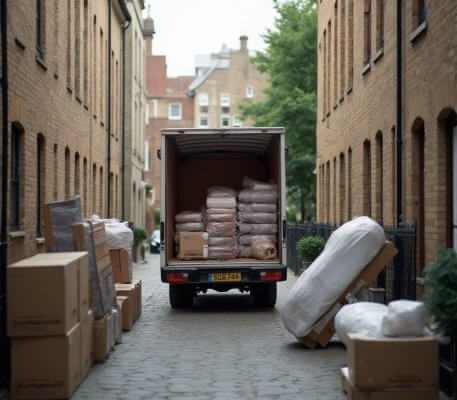
Moving home in London often becomes more stressful than it needs to be, and a big reason for that is poor packing. When items are rushed into boxes without a clear system, they are far more likely to get damaged during handling, loading, and transport. This is especially common in London properties where space is tight, staircases are narrow, and items often need to be carried some distance to the van. Whether you are moving out of a flat, a shared house, or a family home, the way you pack directly affects how smoothly everything goes on moving day.
Many people assume that damage happens during transport, but in reality it usually starts much earlier. Overfilled boxes, lack of padding, and incorrect stacking inside containers are some of the most common reasons items break. Once a box is lifted and moved through corridors or down stairs, even a small imbalance can cause shifting inside. In older London buildings, this risk is even higher because items often need to be turned at awkward angles or carried through tight spaces.
Why careful packing matters more than most people expect
Packing is not just about putting belongings into boxes. It is about controlling movement and protecting items from pressure, impact, and friction. In many London moves, boxes are handled multiple times before they even reach the vehicle. They may be carried down several flights of stairs or across pavements where the surface is uneven. Every additional movement increases the chance of damage if items are not properly secured.
Another common issue is weight imbalance. A box might feel fine when it is sitting still, but once it is lifted, the contents can shift if there is empty space inside. This is why properly filling gaps inside boxes is just as important as choosing the right container.
Choosing materials that actually protect your items
Good packing always starts with the right materials. Strong double-walled cardboard boxes are essential because they can handle pressure without collapsing, especially when stacked inside a van. Standard thin boxes often fail under weight, particularly during longer moves or when items are loaded tightly together.
Fragile items need additional protection, and this is where materials like bubble wrap and packing paper become important. Glassware, ceramics, and delicate ornaments should never be packed loosely. Each item should be wrapped individually so that it is protected from direct contact with other objects. For larger furniture or appliances, protective furniture blankets help prevent scratches and dents, especially when items are being moved through narrow hallways or door frames.
Stretch wrap is often used to keep drawers, doors, and loose parts secured during transport. This prevents movement inside furniture and avoids unnecessary damage caused by swinging doors or shifting components.
How proper packing technique reduces damage
The way items are placed inside boxes matters just as much as the materials used. Heavier items should always be placed at the bottom of the box so that lighter items are not crushed. This creates a stable base and helps maintain balance when the box is lifted.
Empty space inside boxes is one of the biggest causes of damage. When items can move freely, they are far more likely to break when the box is tilted or placed down. Filling those gaps with soft materials such as packing paper or cloth helps keep everything in place. A well-packed box should feel firm, with no movement inside when gently shaken.
Sealing boxes properly is also important. Weak tape or poorly closed flaps can cause boxes to open during lifting, especially when carried down stairs or across longer distances. Reinforcing the bottom of boxes is particularly important for heavier loads, as this is where pressure is greatest.
Packing fragile items in real moving conditions
Fragile items require extra attention because they are the most vulnerable during a move. In kitchens, items such as glasses, plates, and bowls should always be wrapped individually. Plates are safer when placed vertically rather than stacked flat because this reduces direct pressure and lowers the chance of cracking.
Electronics also need careful handling. Televisions, monitors, and similar items should be protected with thick padding and placed in sturdy boxes where possible. Cables and small accessories should be kept together so that nothing is lost or tangled during unpacking. It is very common in London flats for electronics to be moved through tight stairwells, so secure packing becomes even more important.
Mirrors and framed artwork are especially sensitive to movement and vibration. These items should be fully wrapped and kept upright wherever possible. Even small knocks can cause cracks or internal damage that is not always visible immediately.
Furniture protection and space challenges in London homes
Large furniture is often more difficult to move than smaller items because of size rather than weight. In many London properties, especially older buildings, furniture may not fit through doors or staircases without being partially dismantled. Beds, wardrobes, and large tables are common examples.
Disassembly is not just about making items smaller. It also reduces the risk of damage to both the furniture and the property itself. Tight corners, narrow hallways, and low ceilings often create situations where forcing a large item through can cause scratches or structural damage.
Once dismantled, furniture should be wrapped or covered to protect surfaces. Wooden and glossy finishes are particularly vulnerable to marks and scuffs, especially during repeated handling.
Room-by-room packing reality
Different rooms present different challenges. Kitchens usually take the longest because they contain a mix of fragile items, heavy appliances, and liquids that must be sealed properly. Even small leaks can cause damage to other packed items, so separation is important.
Bedrooms are generally easier but still require organisation. Clothing can be packed into suitcases or wardrobe boxes, which makes unpacking much simpler. Mattresses should always be covered to protect them from dirt during transport, especially when moving through shared stairwells or communal areas.
Living rooms often contain a combination of electronics, furniture, and decorative items. These require a structured approach so that smaller components such as remotes, cables, and fittings are not misplaced during the move.
How long packing realistically takes
Packing time varies depending on property size and how organised the process is. A small flat may take several hours, while a larger family home can take one or two full days. In London, this timeframe can increase because of limited space and the need to work around access restrictions or busy schedules.
Many people underestimate the time required, which leads to rushed packing. This is where most damage occurs, as speed often replaces care when deadlines are tight.
Common mistakes that lead to damage
One of the most common mistakes is leaving packing until the last moment. When time runs out, items are often thrown into boxes without proper protection. Another frequent issue is mixing heavy and fragile items together, which creates unnecessary pressure and increases the risk of breakage.
Poor labelling also creates problems during unpacking. Without clear identification, boxes may be stacked incorrectly or handled less carefully. Weak boxes or reused packaging that has already lost strength are another hidden risk, especially for heavier items.
When professional support becomes useful
While many people choose to pack themselves, there are situations where professional help becomes practical. This is often the case when there are time restrictions, large volumes of items, or fragile belongings that require careful handling.
In London, where access can be challenging and moves often happen within tight schedules, combining packing with a removals service can significantly reduce risk and stress. A structured approach ensures that items are packed, loaded, and transported in a controlled way from start to finish.
If you are planning a move, you can always rely on local support from
Strong Move
Final thoughts
Packing properly is one of the most important parts of any house move, yet it is often underestimated. The difference between damaged belongings and a smooth relocation usually comes down to preparation, materials, and method.
In London, where properties vary widely and access is often limited, careful packing becomes even more important. When items are packed with structure and attention, the entire moving process becomes more manageable and far less stressful.
A well-organised approach not only protects your belongings but also makes unpacking faster and more efficient, helping you settle into your new home with fewer problems along the way.
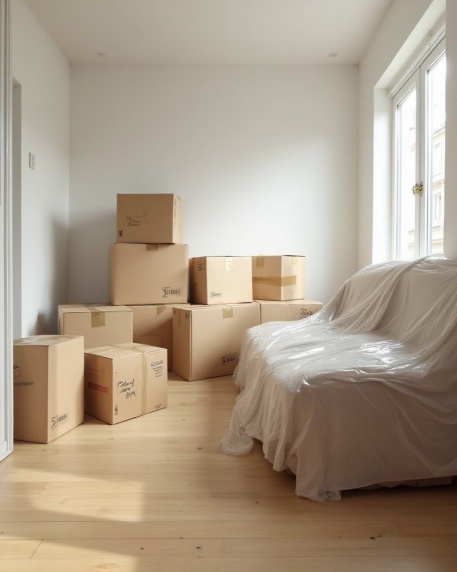
In most London moves, it’s best to start packing 7–14 days before moving day. In busy areas like Clapham or Stratford, early preparation helps avoid last-minute stress and reduces the risk of damage from rushed packing.
Fragile items should be individually wrapped and packed with cushioning so nothing can move inside the box. In areas such as Islington or Shoreditch, where items are often carried through tight stairwells, secure packing is essential to prevent breakage.
Yes, flats in Kensington and Chelsea often have narrow access routes, small lifts, or multiple stairs that make handling more difficult. Strong boxes and careful packing are needed because items are more likely to be carried long distances or turned at awkward angles.
Supermarket boxes can be used, but they are often weaker and not designed for heavy or repeated lifting. In busy London moves, stronger double-walled boxes are safer because they reduce the risk of collapsing during transport.


